


 Sign up for Updates
Image



Official websites use .gov
A .gov website belongs to an official government organization in the United States.

Secure .gov websites use HTTPS
A lock (
) or https:// means you’ve safely connected to the .gov website. Share sensitive information only on official, secure websites.
What I’ve Learned Along the Way
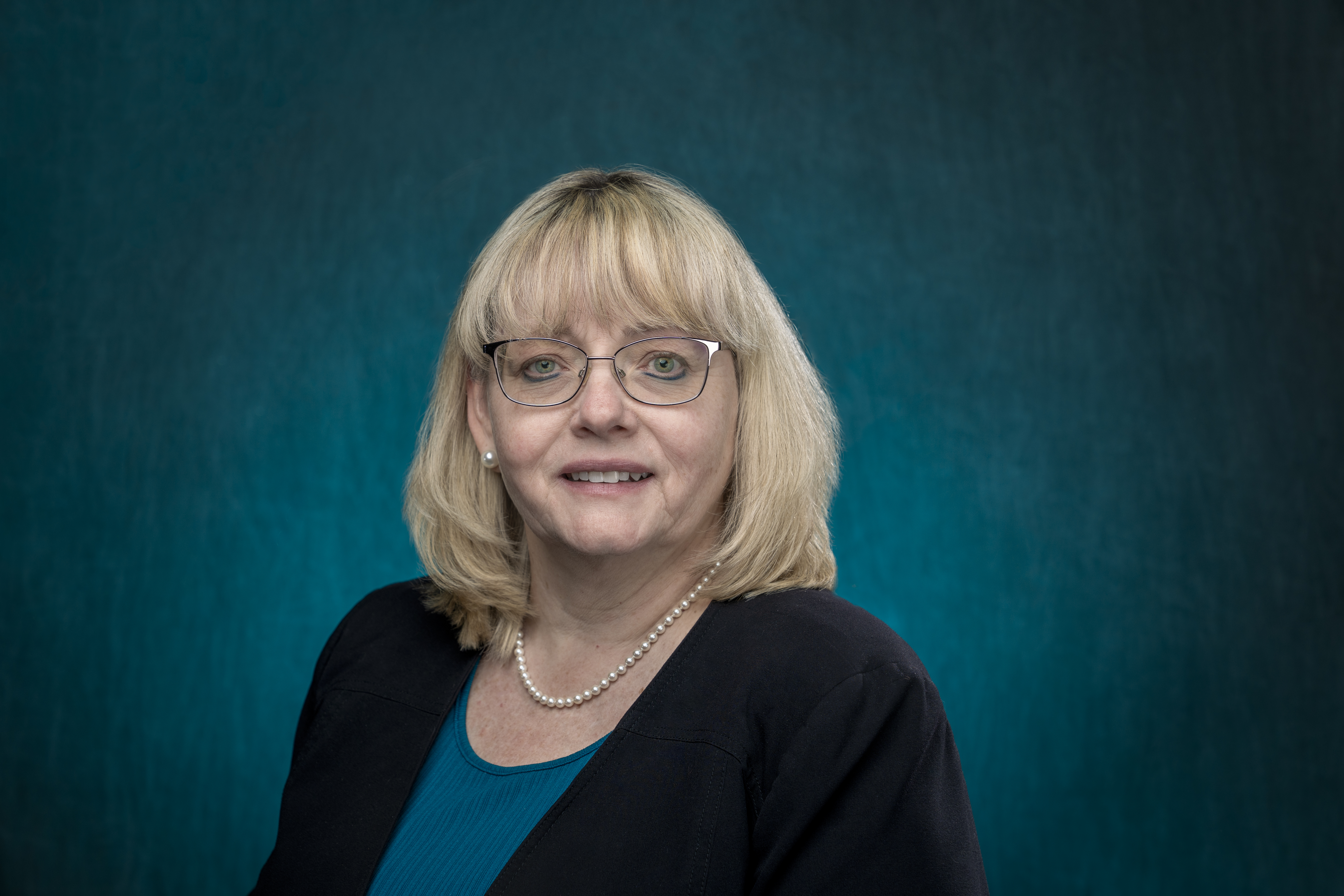
-Katrin Wesner-Harts, Ed.D.
 One of the things about the field of drug and alcohol misuse prevention that I love is the passion and creativity I see every day in the people doing this work, as well as the willingness to share information. We are not in a competition. Most of us look at the success of another colleague as a win for the field. We are not alone on this journey. There are so many colleagues who share that passion, who are willing to help, encourage, mentor, support, challenge, and yes, even commiserate.
I have been doing this work for many years and was asked to share some of the lessons I have learned in my prevention journey. These are just a few of the lessons I learned – some or all may resonate with you, and you may have others to add. I hope that you find this at least a little bit helpful.
Build and Foster Relationships. Prevention work is people work; it is fueled by relationships. It is important to invest in the time to foster relationships both on and off campus. As early as you can, begin to identify people who you think have a shared purpose, people who can help and support your work, and likewise whose work you can help and support. Invite to meet and begin to build relationships, partnerships, and alliances. Ask more questions than information you share. Ask who they think it is important that you meet and reach out to them. Never be afraid to reach out to someone; they may decline your invitation, but they may also say yes! I call this the power of 100 cups of coffee – building our network, one meeting, one cup of coffee at a time.
In a world of increasing technology and super intelligence (SI), talking to people face to face is more important than ever. The time we spend building and fostering relationships may not seem worthwhile, but I promise you it will pay dividends later.
Understand your environment and its culture. Each campus is different; each community is different. Spend some time thinking about how you will learn about your environment and the culture within which you work. What did you learn from the relationships you are building? What data exists on and off campus that will help inform your work? Do you have access to that data?
Think broadly about surveys or environmental scans that are already being utilized on campus – such as the National College Health Assessment, Healthy Minds, National Survey of Student Engagement, well-being and climate surveys, employee surveys through HR, and locally designed surveys. What data is being collected off campus by your community partners? One thing this always reminds me of is that if I collect data, I must share it if I expect others will share their data with me. Being cognizant of confidential data, what aggregated or de-identified data do I have access to that could be helpful to others?
Being an active member of your campus community will also give you a sense of the environment and its culture; think qualitative data.
Stay current and know the resources. It is important to stay current in our work. That is easier said than done, so let’s leverage our resources to make that work easier. Be an active member of your professional association – take advantage of conferences, webinars, research briefs, journal articles, colleagues, and resources for sharing information. Become familiar with government resources. The Drug Enforcement Administration’s campusdrugprevention.gov website (sometimes referred to as CDP) has links to publications, webinars, research articles, and other resources both from DEA and from other federal agencies and national organizations. A personal favorite is Prevention with Purpose: A Strategic Planning Guide for Preventing Drug Misuse Among College Students, which provides “a roadmap for college- and university-based prevention professionals to collaborate with a wide range of stakeholders, from students to administrators, to address campus-wide drug misuse issues.” I keep a list of the top resources and people for reference when I have a question or challenge.
Ensure our work is evidence informed. It is important when we make decisions, plan an event or program, or work with students, that we consider the research and assessment data that we have available. What does the literature say? What do our trusted resources suggest or consider? If we are going to invest time and resources into a program, event, or initiative, then incorporate the evidence into the planning and justification.
Identify partners in this journey. Prevention work does not happen in a vacuum. To be successful, we want to engage as many people as possible to share our messages and to give us insight into their populations. It is equally important to understand their perspectives and what they bring to our prevention work.
No matter what, be seen as the subject matter expert and a great partner. Be there for others and they will be there for you. Also, use this time to find your champions and your co-conspirators! Their support will prove invaluable one day!
Finally, a few more quick things…
Katrin Wesner-Harts, Ed.D., has worked in college health for over 30 years, maintaining a passion for health and well-being, student success, alcohol and other drug prevention, and emergency management. She has served as the Director of the Student Health Center at the University of North Carolina Wilmington since 2007. Dr. Wesner-Harts was named a Fellow of the American College Health Association in 2015 and served as the 2019-2020 national ACHA President. She is a graduate of the 2022 HERS Philadelphia Leadership Institute, and in the fall of 2025 she was inducted into the UNCW James F. Merritt Million Dollar Club, for faculty and staff who have received $1 million or more in external research funding. Katrin has a bachelor’s degree in psychology from Carnegie Mellon University, a master’s degree in psychology from Rensselaer Polytechnic Institute, and a doctorate in educational leadership/higher education from UNCW. Dr. Wesner-Harts is known for infusing prevention in every conversation, remaining calm in a crisis, using evidence to inform the work, helping students and staff grow, and being a lifelong learner and dedicated volunteer.