


 Sign up for Updates

Image



Official websites use .gov
A .gov website belongs to an official government organization in the United States.

Secure .gov websites use HTTPS
A lock (
) or https:// means you’ve safely connected to the .gov website. Share sensitive information only on official, secure websites.
Staying Power: Leveraging Professional Experience to Deliver Effective Prevention Initiatives
-Robin Arnold
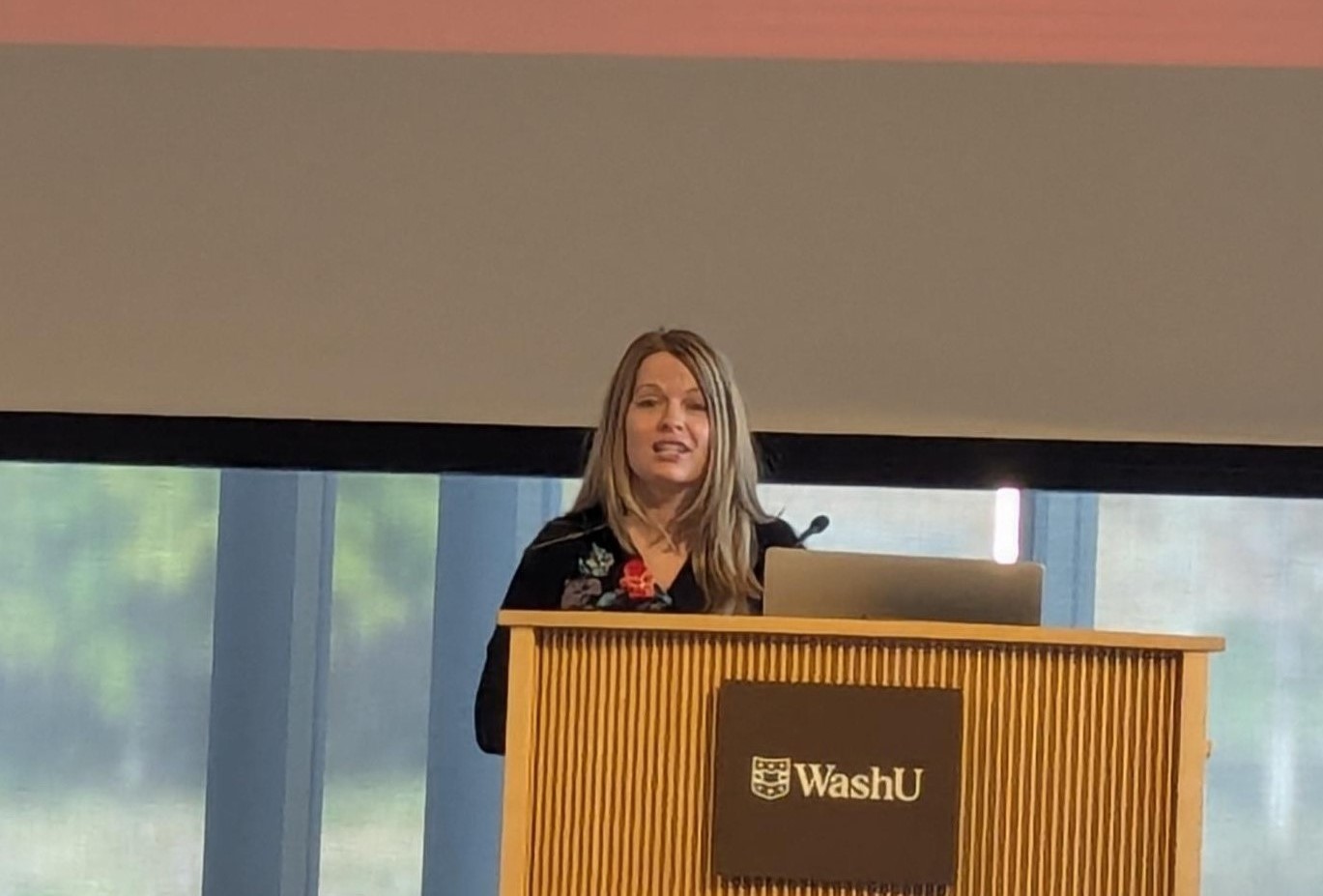 Despite alcohol and other drug misuse prevention representing a high priority across college campuses, barriers to implementing effective prevention, intervention, and recovery programs remain. To understand the real-world barriers the higher education prevention workforce faces in delivering substance-related services, our research team partnered with a statewide higher education prevention coalition. In working alongside higher education AOD misuse prevention professionals, we identified key strengths of prevention professionals and formed recommendations for providing effective support to professionals as they implement evidence-based practices on their campuses. EBPs for college AOD misuse prevention could include personalized feedback intervention, Brief Alcohol Screening for College Students, or other strategies found in the National Institute on Alcohol Abuse and Alcoholism's CollegeAIM.
Translating Science into Service: Attitudes Toward Evidence-Based Alcohol and Other Substance Misuse Prevention
Recommendations for a Multi-Tiered Approach to Integrating Evidence-Based Alcohol and Other Substance Misuse Prevention Across Educational and Professional Landscapes
Ultimately, the findings of this work provide distinct, important reminders for prevention professionals, campus administrators, and faculty in degree programs throughout the academy.
Prevention professionals, your commitment to our professional development and dedication to longevity in your positions will benefit your overall campus-based prevention’s long-term strategy.
For those hiring and mentoring prevention professionals, it is imperative that you invest in supporting and retaining experienced professionals. When our campuses fail to implement high-impact EBPs, we must consider whether we have invested in the prevention infrastructure of the campus. Hiring and retaining talented, seasoned public health professionals will have the most impact on our success.
As prevention professionals serve in varied roles on college campuses with distinct training backgrounds, it is essential to integrate training in EBPs for AOD misuse into existing degree training programs and ongoing training across professional stages and roles.
Professional experience and career stage play an important role in the adoption of evidence-based practices for AOD misuse prevention. Findings suggest that experienced professionals, particularly those in mid-career stages, demonstrate the strongest attitudes toward and willingness to implement EBPs, highlighting the importance of retention efforts and targeted implementation support at key career milestones. Given the diverse roles and educational backgrounds of college prevention professionals, integrating EBP training for AOD misuse prevention into both academic preparation programs and ongoing professional development is essential to promote consistent and effective practice across all career stages.
Acknowledgements
I would like to express my gratitude to Ashley Helle, Ph.D. and Joan Masters, M.Ed. for their insightful feedback, which significantly enriched this article. Their expertise and leadership shaped the research reported in this article, and their support and guidance has been invaluable to my graduate training.
For more information regarding the results shared in this article, please see the scholarly article preprint:
Arnold, R., Masters, J., Nguyen, M., & Helle, A. C. (2025). Attitudes towards alcohol evidence-based health promotion and prevention among higher education professionals. PsyArXiv. https://doi.org/10.31234/osf.io/5tcnr_v1
For related study information, please see:
Helle, A. C., Washington, K. T., Masters, J., Sher, K. J., Aarons, G. A., & Hawley, K. M. (2025). Implementation science in higher education: Identifying key determinants in the selection of evidence-based alcohol and substance prevention and treatment. Journal of Substance Use and Addiction Treatment, 170, 209617. https://doi.org/10.1016/j.josat.2024.209617
Helle, A. C., Masters, J., Washington, K. T., Sher, K. J., Cronce, J. M., Kilmer, J. R., & Hawley, K. M. (2025). Adoption and Perceptions of the College Alcohol Intervention Matrix (CollegeAIM) Among Professionals in a Higher Education Statewide Prevention Coalition. Prevention Science, 26(6), 886–898. https://doi.org/10.1007/s11121-025-01824-9
Robin Arnold is a doctoral student at the University of Missouri, studying addiction science while working alongside the Missouri Partners in Prevention Statewide Coalition and supporting the Missouri Center for Addiction Research and Engagement objectives. Robin’s work seeks to translate laboratory study of factors underpinning substance use behavior to develop and test interventions for treating problematic substance use. Robin engages in service work via the Research Society for Alcohol and Society of Addiction Psychology.