





 Sign up for Updates
Feature Image
Image

Summary
Do you know the facts about drugs? Take this fact or fiction quiz and see how knowledgeable you are.
Questions
Eight percent of people aged 12 or older have a substance use disorder.
Image

Fiction – In 2024, 16.8 percent of people aged 12 or older had a substance use disorder, according to the National Survey on Drug Use and Health.
Drug overdose deaths have more than doubled from 2013 to 2023.
Image

Fact – Drug overdose deaths have skyrocketed from around 44,000 in 2013 to more than 105,000 in 2023, reported the National Institute on Drug Abuse.
Deaths from drug overdoses involving cocaine have increased every year since 2015.
Image

Fiction – Deaths from drug overdoses involving cocaine surged from 2015 to 2023, but decreased 25 percent in the 12-month period ending in October 2024, still totaling 22,678 deaths during that period. according to DEA’s 2025 National Drug Threat Assessment.
The following are effects of a heroin overdose: slow and shallow breathing, blue lips and fingernails, clammy skin, convulsions, coma, and possible death.
Image

Fact – Find out more about heroin and other drugs, including appearance, common street names, effects, and legal status by visiting the Drug Index.
Fentanyl is five times more potent than heroin and ten times more potent than morphine.
Image
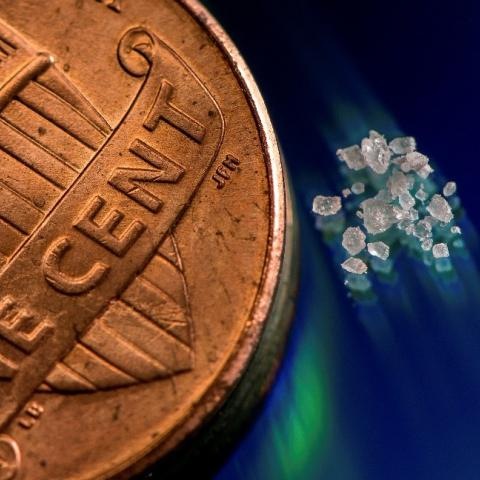
Fiction – Fentanyl is 50 times more potent than heroin and 100 times more potent than morphine. Find out more about the #1 drug threat facing America by downloading the Fentanyl Drug Fact Sheet.
DEA lab testing reveals that five out of every ten counterfeit pills with fentanyl contain a potentially lethal dose.
Image

Fiction – 29% of counterfeit pills with fentanyl contain a potentially lethal dose. This figure fell from seven in ten in 2023. Read more about counterfeit pills and fentanyl in this DEA One Pill Can Kill fact sheet.
From 1995 to 2025, past-year cannabis use decreased among 8th, 10th, and 12th grade students.
Image

Fact – Use of cannabis within the past year declined from 15.8% to 7.6% for 8th grade students, 28.7% to 15.6% for 10th grade students, and 34.7% to 25.7% for 12th grade students, from 1995 to 2025, according to Monitoring the Future.
States are increasingly passing legislation to legalize marijuana because the drug has been proven not to have adverse effects.
Image

Fiction – While several states have legalized marijuana, the drug is still linked to mental health problems like anxiety and psychosis, can slow brain development, and is the substance most often found in the blood of drivers involved in and frequently responsible for car crashes. Watch a quick video fact check on marijuana here.
While national overdose deaths involving heroin are slumping, national overdose deaths involving stimulants (ex. cocaine) are sharply rising.
Image
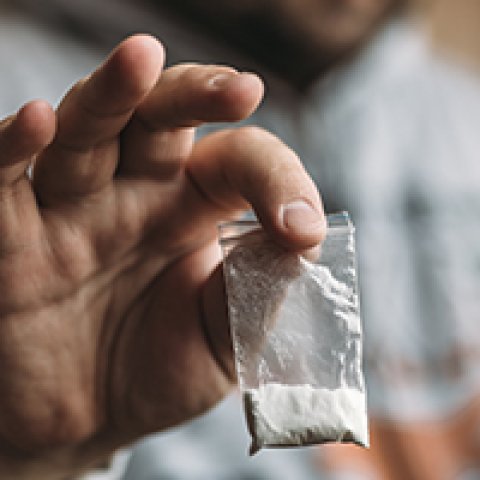
Fact – National overdose deaths involving heroin have dropped from around 15,500 in 2017 to 3,984 in 2023. But national overdose deaths involving stimulants have soared from around 5,000 in 2010 to 59,725 in 2023, according to the National Institute on Drug Abuse. Use of stimulants in conjunction with fentanyl is responsible for much of the increase.
Adolescent marijuana use is more common than adolescent alcohol use.
Image

Fiction – In 2024, 7.6, 15.6, and 25.7 percent of 8th, 10th, and 12th graders reported having used cannabis within the past year, respectively. Meanwhile, 11.2, 23.5, and 41.1 percent of 8th, 10th, and 12th graders reported having drank alcohol within the past year, respectively, according to Monitoring the Future.